
Cultural significance of casinos in modern society
Historical Background of Casinos
Casinos have a rich history that dates back centuries, initially serving as social hubs where people gathered to play games and socialize. The concept of gambling can be traced to ancient civilizations, where various forms of chance games were played in temples and social gatherings. Over time, these establishments evolved, reflecting changes in societal norms and attitudes toward gambling, including the emergence of trusted casinos not on gamstop.
The modern casino, as we know it today, began to take shape in the 17th century in Europe. The first official casino, the Casino di Venezia, opened its doors in Italy in 1638. This marked the transition from informal gaming houses to structured venues regulated by laws, paving the way for the development of iconic casinos worldwide.
Economic Impact of Casinos
Casinos play a vital role in the economy, generating significant revenue for local and national governments. They create jobs directly within the establishments and indirectly through tourism, hospitality, and entertainment sectors. The influx of tourists seeking gaming and entertainment experiences boosts local businesses, ranging from hotels to restaurants, contributing to economic growth.
Additionally, the tax revenue generated by casinos often funds essential public services such as education, infrastructure, and healthcare. This financial contribution to local economies demonstrates the important role casinos play in shaping modern society.
Social Interactions and Community Building
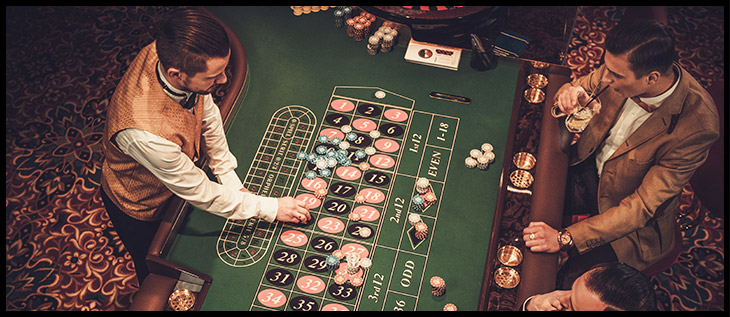
Casinos are not merely places for gambling; they serve as social spaces where individuals from diverse backgrounds come together. The atmosphere of excitement and entertainment fosters interactions, allowing people to form connections through shared experiences. Events, shows, and gaming tournaments hosted by casinos attract large crowds and create a sense of community.
Moreover, casinos often engage in corporate social responsibility initiatives, supporting local charities and community projects. This involvement enhances their reputation and strengthens ties with the communities they operate in, illustrating the cultural significance of casinos beyond gaming.
Entertainment and Cultural Expression
Casinos are also prominent centers of entertainment, hosting a variety of shows, concerts, and events that reflect cultural diversity. Many famous casinos, such as those in Las Vegas and Monte Carlo, feature performances by renowned artists and elaborate productions, making them cultural landmarks in their own right.
Theming and design in casinos often draw inspiration from various cultures, creating immersive experiences for guests. This blend of entertainment and cultural expression highlights the role of casinos as not just gaming venues, but as vital parts of the cultural fabric in modern society.
Online Casino Culture and its Influence
The rise of online casinos has transformed the landscape of gambling, providing accessibility and convenience for players worldwide. This shift has led to new cultural dynamics, where individuals can engage in gaming from the comfort of their homes. Online platforms often incorporate social features, enhancing interaction among players and creating a virtual sense of community.
Furthermore, discussions surrounding online gambling have become crucial in addressing issues such as responsible gaming and regulation. Websites dedicated to promoting safe online gambling practices are essential for educating users about potential risks, emphasizing the importance of security and transparency in this evolving cultural phenomenon.